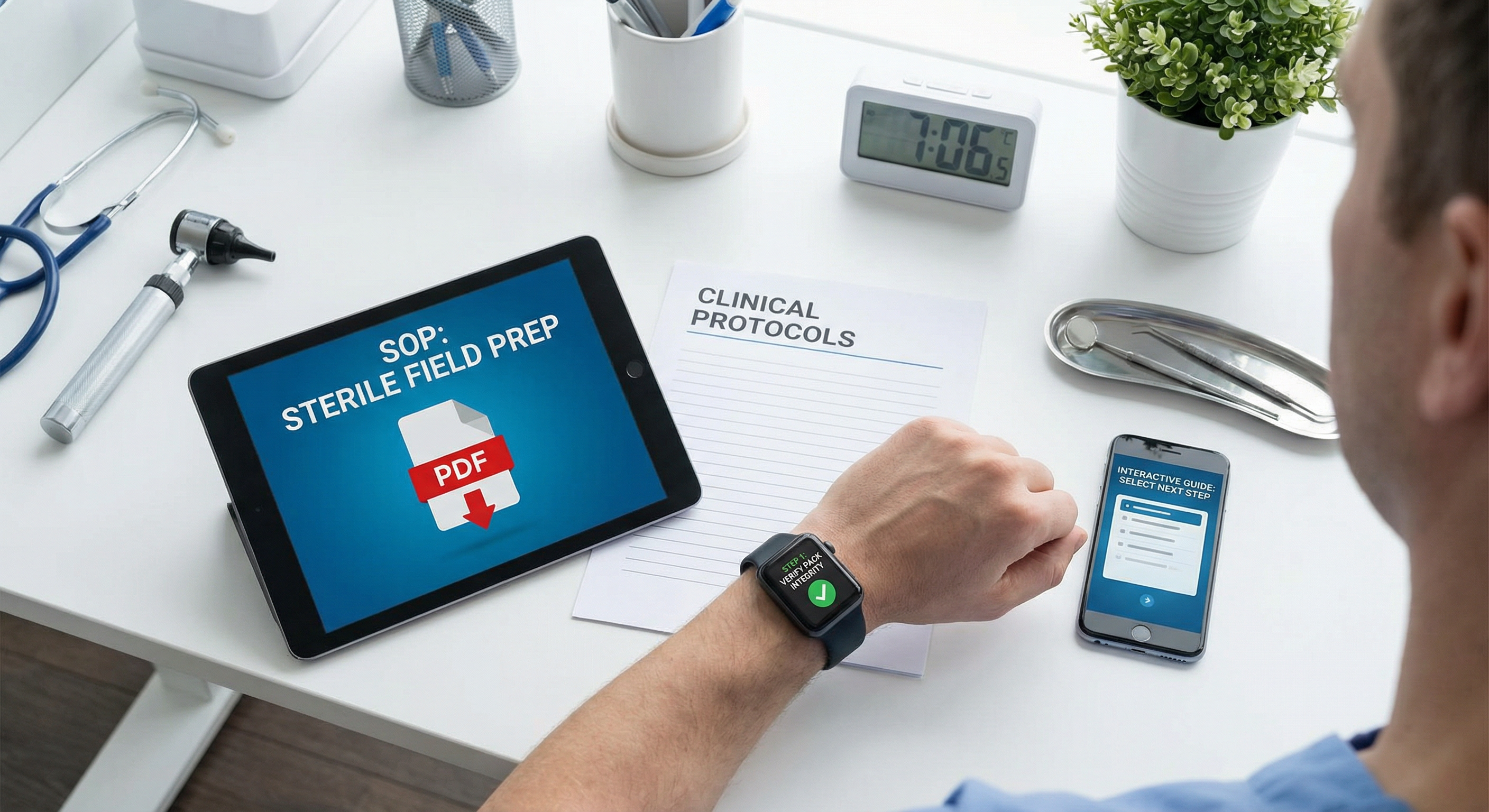
From a document to a procedure somebody can run
What happens when you upload a PDF, what the model does with it, and why a person still has to read every line before anybody may perform it.
Seven pieces about work that is done from written instructions: teaching a procedure, assisting somebody through it at the job, and reading what came back — including what the numbers do not mean and what the product does not do.

What happens when you upload a PDF, what the model does with it, and why a person still has to read every line before anybody may perform it.

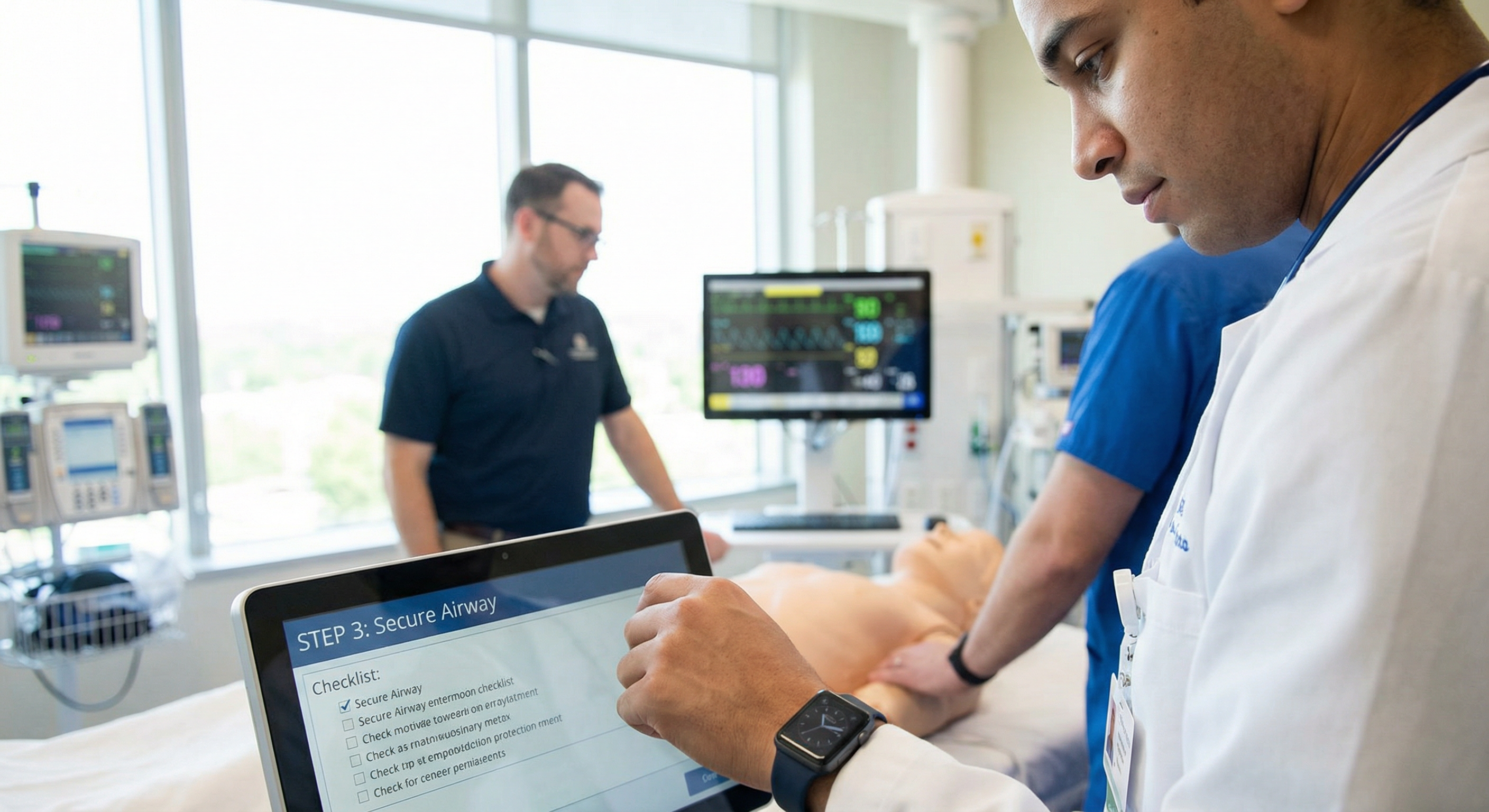
A step is read once, in bad light, by somebody halfway through something. What that means for wording, and what the five kinds of step in MedNAIS are for.

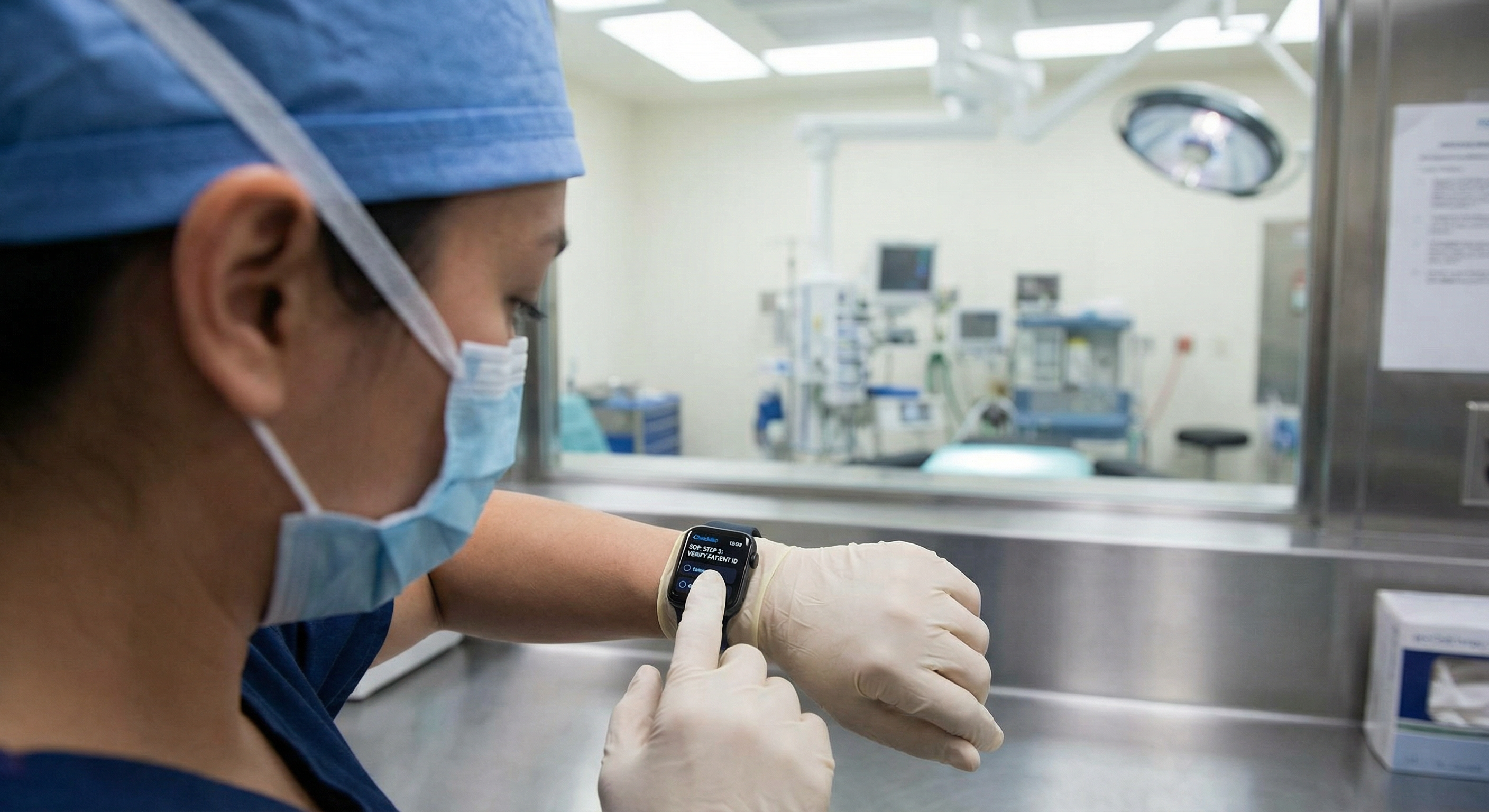
What running a procedure on a device is actually like, what the watch can and cannot do, and what happens when there is no network.

Median and 90th-percentile time per step describe how work is done here. They are not targets, thresholds or grounds for a performance conversation, and MedNAIS has no feature that treats them as such.

What MedNAIS records about a run, what that is genuinely good for in a quality file, and the four things it is not — including any certification we do not hold.

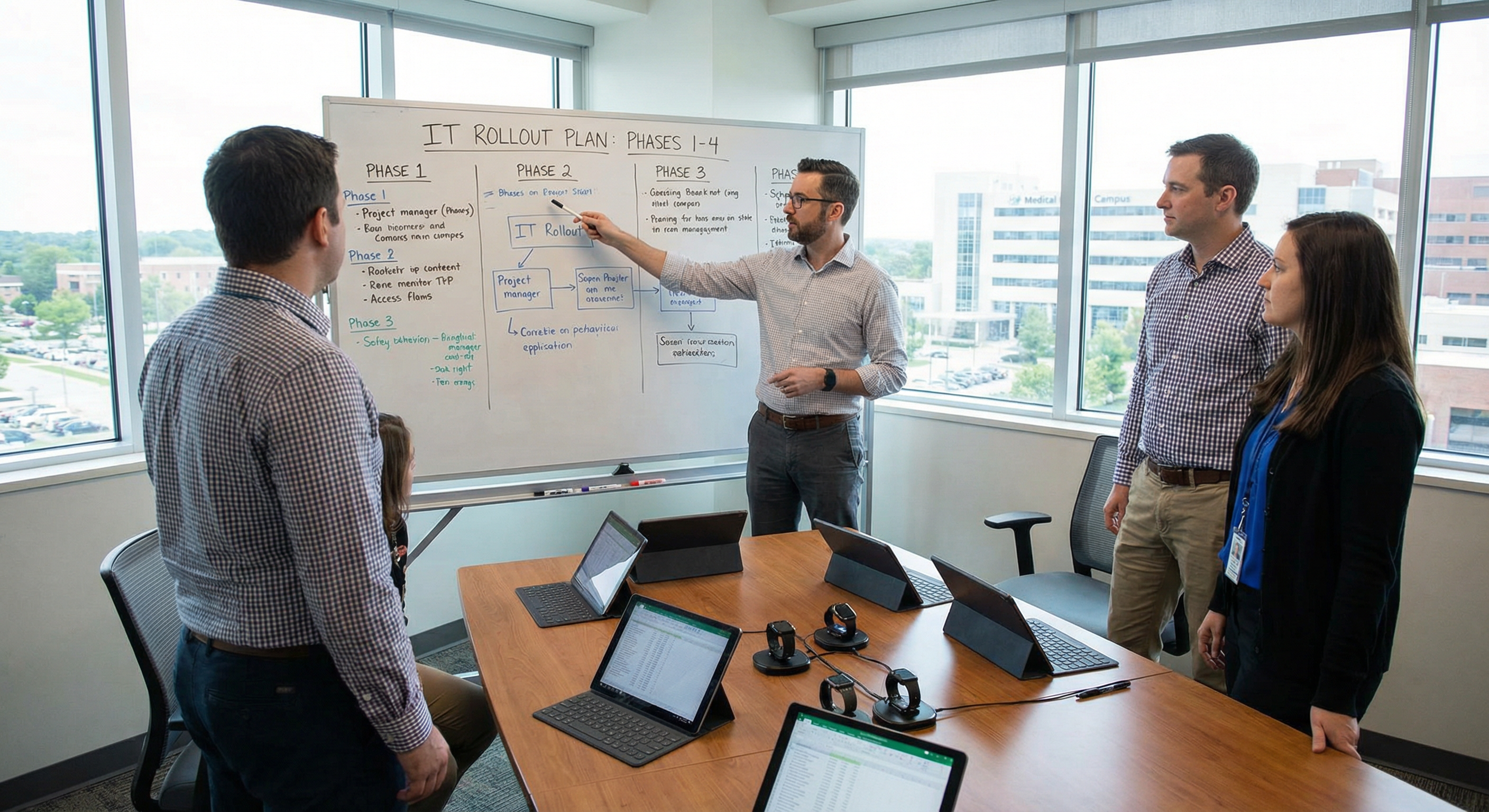
A phased approach that starts with one procedure and one shift, and a note on the objection you will hear on day one and should take seriously.

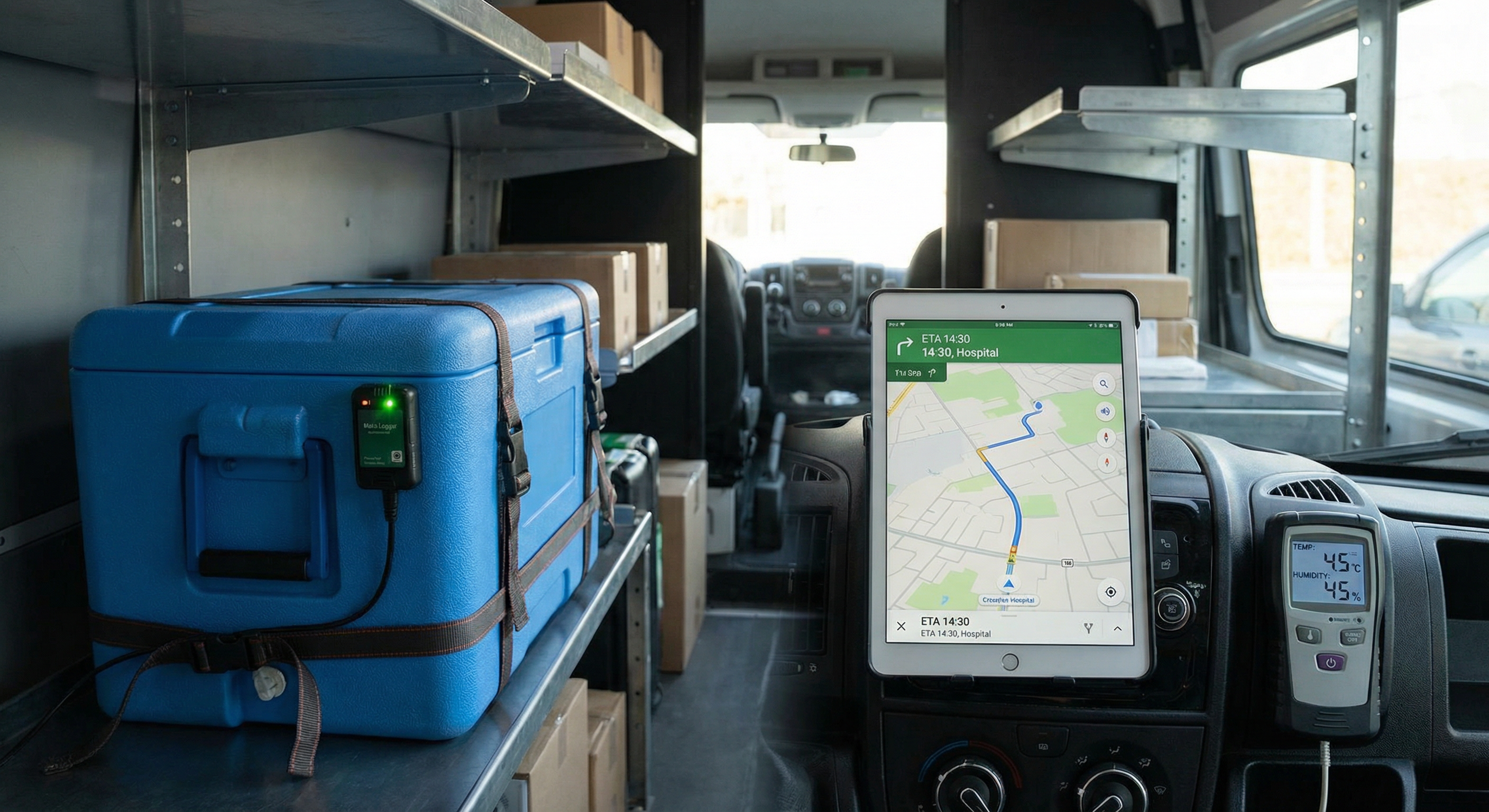
Why a tool built out of preanalytical laboratory work turned out to fit a production line, a warehouse and a building site — and why that is a claim about procedures, not about industries.